
This was one of those weeks where I worked from home, work filled most of the day and evenings needed to stay simple. I wasn’t trying to plan perfectly or cook anything special. I just wanted food to be there when I needed it, without turning dinner into another decision at the end of the day.
What follows is exactly how that week unfolded for me. Not a system to follow or a plan to copy, just a real sequence of planning, cooking, and eating.
If this way of organising the week fits your life too, you can use it as it is, adapt parts of it, or simply take what makes sense and leave the rest.
Saturday: planning and grocery shopping
This week started on Saturday morning.
That’s when I planned and did the grocery shopping. Not because Saturday is magical, but because it’s the moment when I still have enough mental space to think clearly about the days ahead.
I looked at the upcoming week and answered a few basic questions:
- Which days would be longer?
- Which evenings would leave little energy for cooking?
- Which meals needed to be ready in advance?
Once that was clear, grocery shopping became straightforward. I wasn’t browsing or improvising. I was buying exactly what I needed for the next few days.
By the time I got home, everything for Sunday cooking and for the rest of the week was already there. That meant Sunday wouldn’t involve decisions or extra trips to the store. It would just be about cooking.
Sunday: 2.5 hours of cooking for Sunday, Monday, and Tuesday
Sunday was a cooking day, not a planning day.
I spent about two and a half hours in the kitchen. Not rushing, not trying to multitask excessively — just cooking with the goal of covering several meals ahead.
Here’s what I made:
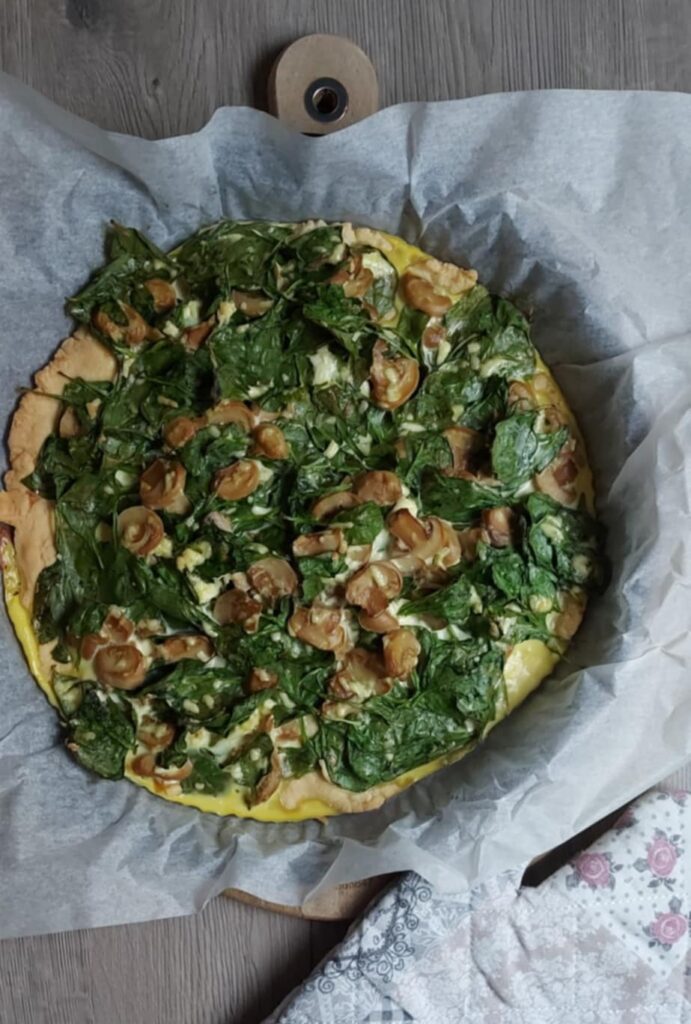
- a spinach and mushroom tart
- meatballs & pea dish
- a vegetable and pork soup
- an apple pie, with the sugar intentionally kept low
- a vegetable and smoked ham bread loaf
This wasn’t about portioning meals into identical containers or following a strict plan. It was about having real food ready that could be combined in different ways over the next few days.
The food didn’t all serve the same role.
The spinach and mushroom tart was mostly for mornings, usually with Greek yogurt on the side. The vegetable and smoked ham bread loaf worked the same way — breakfast or an easy snack when I needed something quick.
At lunch, I relied on the vegetable and meat soup. It was filling without being heavy and easy to reheat, which made it practical for workdays.
In the evenings, we ate the meatballs with peas at first. By Tuesday, the peas were gone, so the meatballs turned into sandwiches instead, with ketchup, mustard, green salad, and cheese. Nothing fancy, just using what was left in a way that still felt like a proper meal.
Wednesday morning: quick cooking for Wednesday and Thursday
Wednesday looked different.
I knew the second half of the week I would go to the gym. So, I cooked Wednesday morning, keeping everything quick and simple.
What I prepared:
- boiled eggs sandwich with greens and cotage cheese
- mushroom pasta with baby spinach
- a simple cream soup
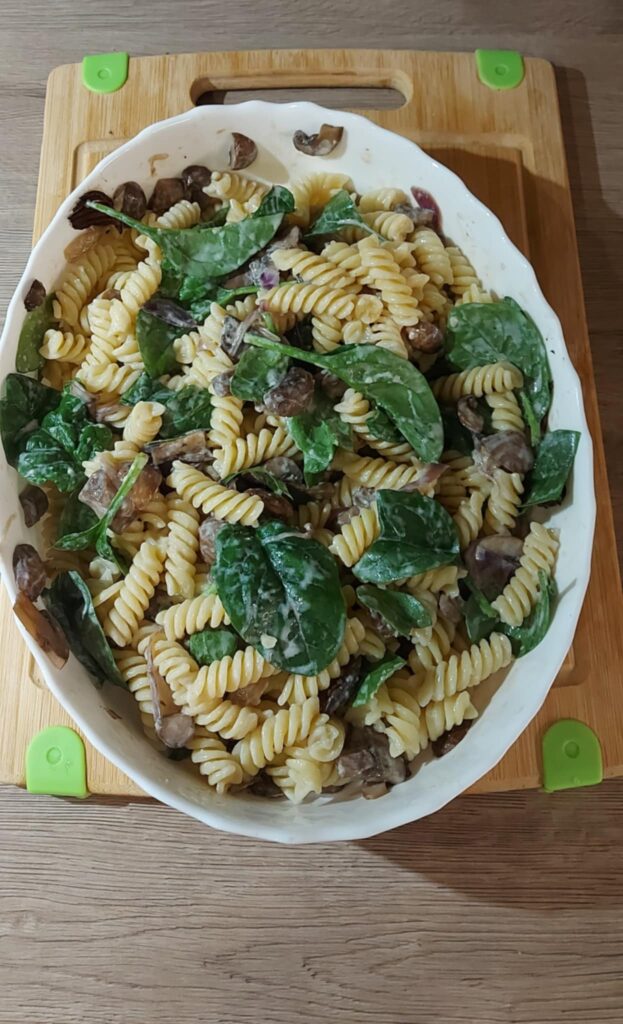
Everything was fast to make and didn’t require much attention. These are the kinds of meals that come together easily in the morning without feeling like a burden.
Having these meals ready meant I didn’t need to think about cooking after getting home. I could eat, rest, and move on with the evening.
Fruit was always available during the day as well, nothing planned in detail, just something easy to grab when needed.
Why midweek morning cooking works
Cooking on Wednesday morning might sound unusual, but it fits the rhythm of the week.
At that point:
- the fridge isn’t empty
- there’s still momentum from earlier planning
- mornings feel calmer than evenings
Instead of pushing cooking into already-full evenings, shifting it earlier in the day kept the rest of the week light.
By Thursday evening, food was already there. No pressure, no fallback decisions.
Friday: easier by design
Friday was intentionally simpler.
There was no need for heavy planning or big cooking sessions. Everything stayed low-effort and flexible.
In the morning, I made oats in the oven with apple and cinnamon. Simple, warm, and hands-off.
At lunch, I used the oven again:
- pork chops
- bell pepper
- sweet potato
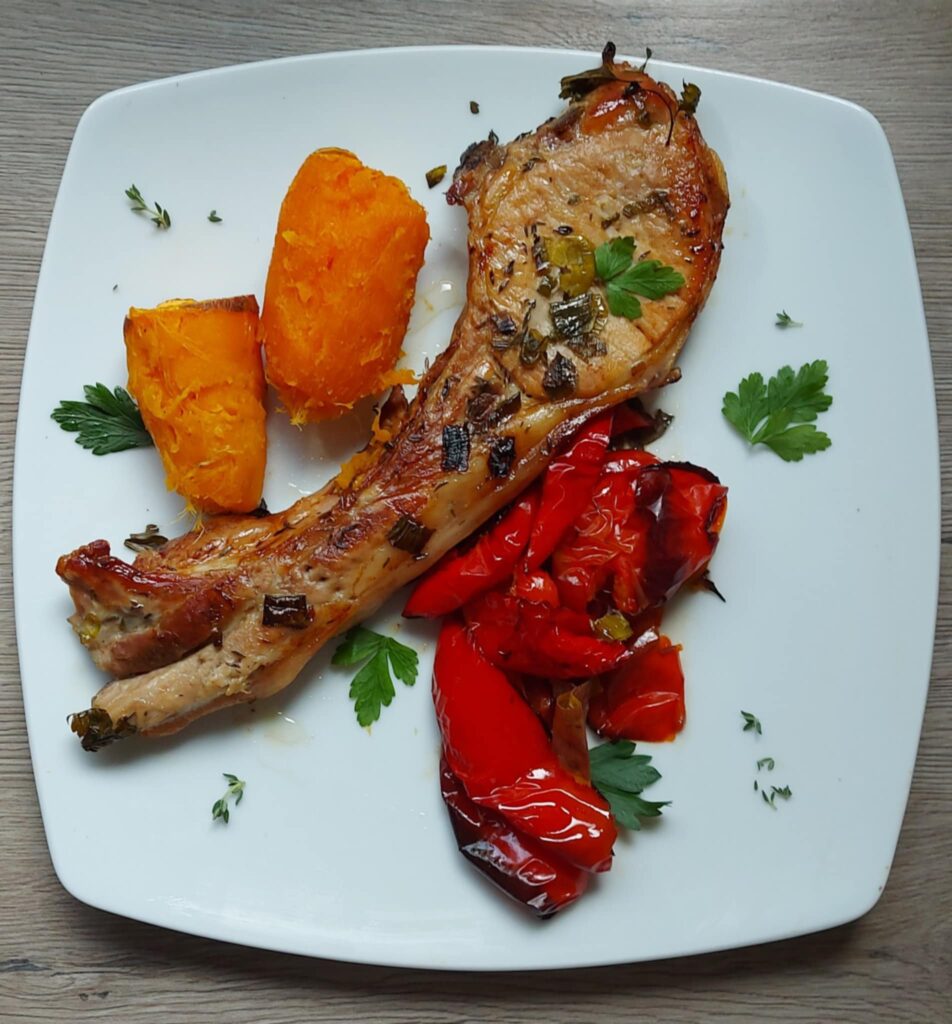
Everything went in together. No standing by the stove, no complicated steps. The oven did most of the work.
By the time Friday evening arrived, there was no need to “solve” dinner. The day had already been handled.
Saturday again: planning, groceries, flexibility
The following Saturday became planning day again.
I looked at the upcoming week, went grocery shopping, and kept things intentionally flexible. Nothing was locked in too tightly.
This time, we ordered pizza.
Not as a fallback, not as a failure, just as part of the rhythm. Flexibility is easier to maintain when it’s built in on purpose, not added later out of exhaustion.
What this week shows
This week wasn’t about cooking perfectly or eating impressively.
It worked because:
- planning happened before the week got busy
- cooking was grouped into calm, predictable windows
- evenings weren’t overloaded with decisions
Some days involved more cooking. Others involved almost none. That balance is what made the whole week feel manageable.
The quiet benefit
The biggest benefit wasn’t the food itself.
It was the absence of friction.
No standing in front of the fridge trying to figure something out. No late-evening cooking when energy was already gone. No feeling behind on meals halfway through the week.
Everything flowed because decisions were made early, and effort was placed where it fit best.
That’s all this was. A normal week, handled calmly.
Lovley tips! 🙂 Thank you!