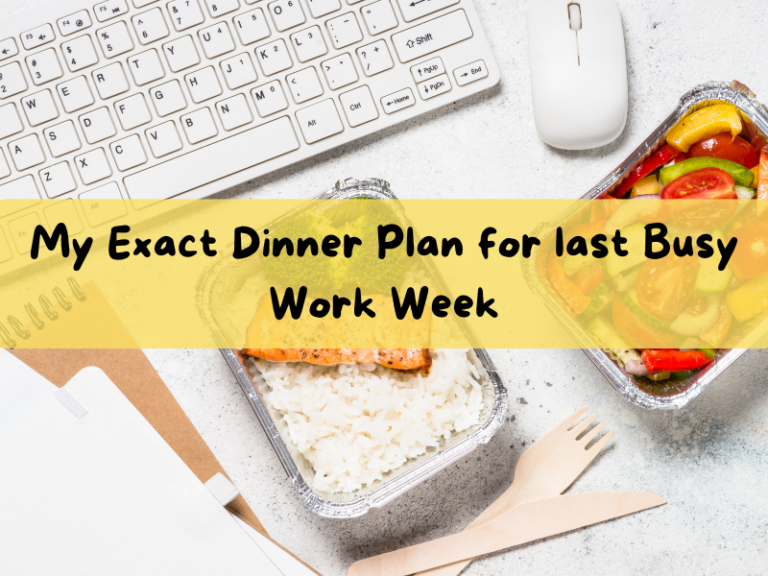
My Exact Dinner Plan for a Busy Work Week
If your workdays are mentally heavy, dinner becomes the hardest meal of the day, not because it’s complicated, but because it shows up right when your energy is gone.
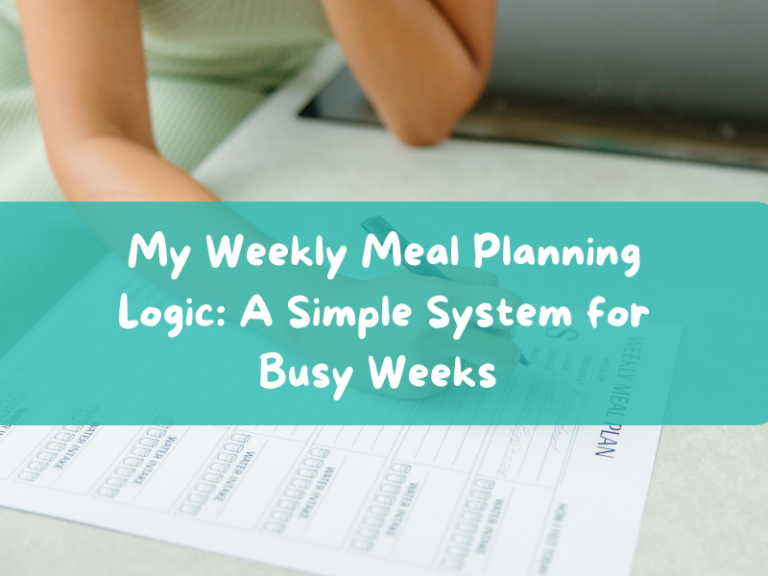
Most meal planning advice starts with a list of recipes, but what really makes a plan work is the system and logic behind it. For me, creating a weekly plan isn’t about filling boxes on a calendar, it’s about building a framework that matches my week, my energy, and my needs.
Instead of resigning yourself to endless cooking, there’s a middle path. Batch cooking doesn’t have to mean a fridge full of tired leftovers or eating the same dish every day. Think of it as a smarter rhythm: cook once, enjoy it for the next two or three days, and keep meals tasting fresh.
In this guide, I’ll walk you through the five-step meal planning system I use when life is hectic. You’ll see how to design your week around your real schedule, not some unrealistic idea of home-cooked perfection.
I don’t always start in the same place. Some weeks, I get groceries on Friday evening if I know Saturday will be busy. Other weeks, I go Saturday morning. Either way, it begins with the same routine: I check the fridge before shopping. Seeing what’s left helps me avoid wasting food and keeps my grocery list focused.
You know that moment when it’s late, you’re tired, and the only thing standing between you and dinner is… nothing in the fridge that goes together? That’s exactly what weekly meal planning prevents. Instead of stressing out at 7 p.m., you already know what’s for dinner because you decided it once, days ago.
It’s 6:00 pm. You’ve just closed your laptop after a long day of meetings, emails, and deadlines. You’re hungry, you’re tired, and the fridge is a puzzle of half-empty jars, random vegetables, and nothing that looks like a meal.
Meal planning can be simple: write down what you’ll eat, buy the groceries, and stick to the plan. But when done wrong, you start strong on Sunday only to give up by Wednesday, and quickly find out there’s more to it than that.